




Dennis Bielfeldt
Dr. Dennis Bielfeldt is the founding President of the Institute of Lutheran Theology and the first chancellor of its Christ School of Theology. Having served as Professor of Philosophical Theology since ILT's beginning, Dr. Bielfeldt now teaches primarily in the PhD program. His research interests include theology and science, theological semantics, analytical metaphysics, and Luther studies. Dr. Bielfeldt is General Editor of the academic journal Verba Vitae and is currently working on a manuscript applying model theory to theology.
Education:
- Ph.D. University of Iowa (1987)
- M.A. University of Iowa (1984)
- B.S. South Dakota State University (1977)
Learn more:
 cademia.edu
David Patterson
Rev. Patterson is the Dean of the Center for the Word at ILT where he oversees the Library, the North American Lutheran Archive, Information Services, the Office of the Registrar, Research and Academic Grants, and ILT Press. The primary areas of research for Rev. Patterson are Theology and Disability and Theology and Information.
Education:
- M.R. Institute of Lutheran Theology (2015)
- MLIS University of Washington (2002)
- C.P.S. Trinity Lutheran College (2000)
- B.A. Lutheran Bible Institute of Seattle (1999)
Learn more:
 cademia.edu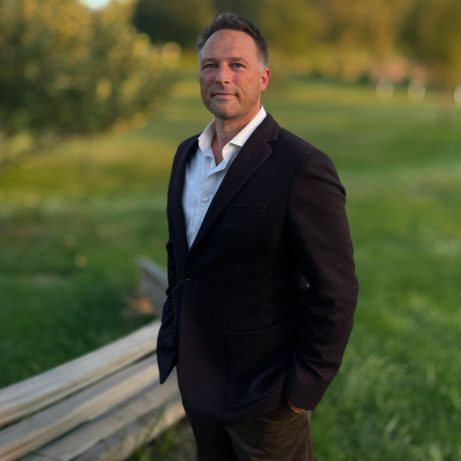
Erik Herrmann
Dr. Herrmann is an accomplished historian and professor with an extensive experience in higher education. He is internationally recognized for his research, writing prolifically on Luther, Lutheran Theology, and the Reformation. His work as an editor and as a author includes many articles, such as “Luther’s Divine Aeneid: Continuity and Creativity in Reforming the Use of the Bible,” in Lutherjahrbuch and "Breathed Through Silver: C. S. Lewis and the Truth of Beauty" in Concordia Journal, as well as books such as The Babylonian Captivity of the Church, 1520: The Annotated Luther, and From Wittenberg to the World: Essays on the Reformation and Its Legacy in Honor of Robert Kolb. In the past, he has served as a professor of historical theology at Concordia Seminary, St Louis, MO and as the Director of the Center for Reformation Research. He also has pastoral experience, working as an assistant pastor of Timothy Lutheran Church, St. Louis. He teaches historical theology at the Christ School of Theology with a particular emphasis on Reformation studies and the history of exegesis.
Education:
- Ph. D. Concordia Seminary, St. Louis (2005)
- M. Div. Concordia Seminary, St. Louis (2000)
- B. A. Concordia University Wisconsin (1995)
Learn more:
 cademia.edu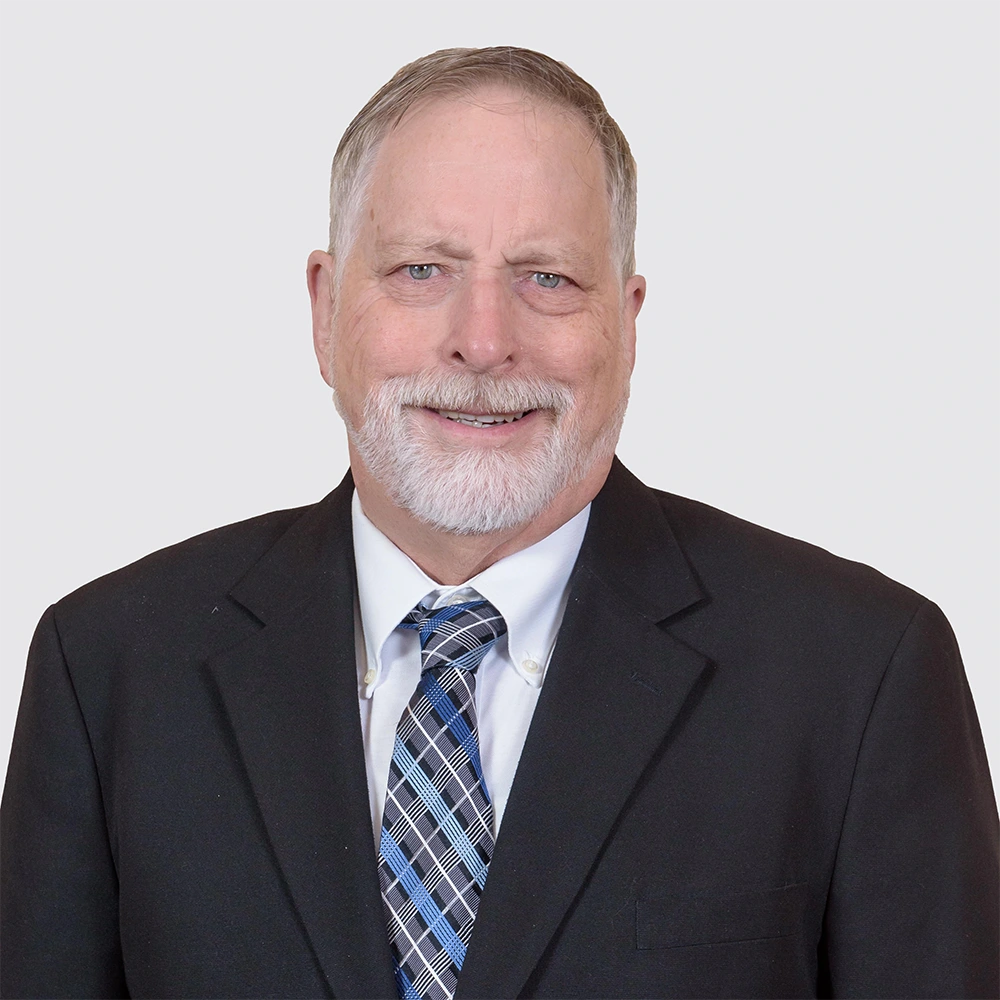
Douglas Morton
Rev. Doug Morton is a professor at ILT's Christ College. In addition to teaching at Christ College, Rev. Doug Morton is also the Associate Editor of the academic journal Verba Vitae.
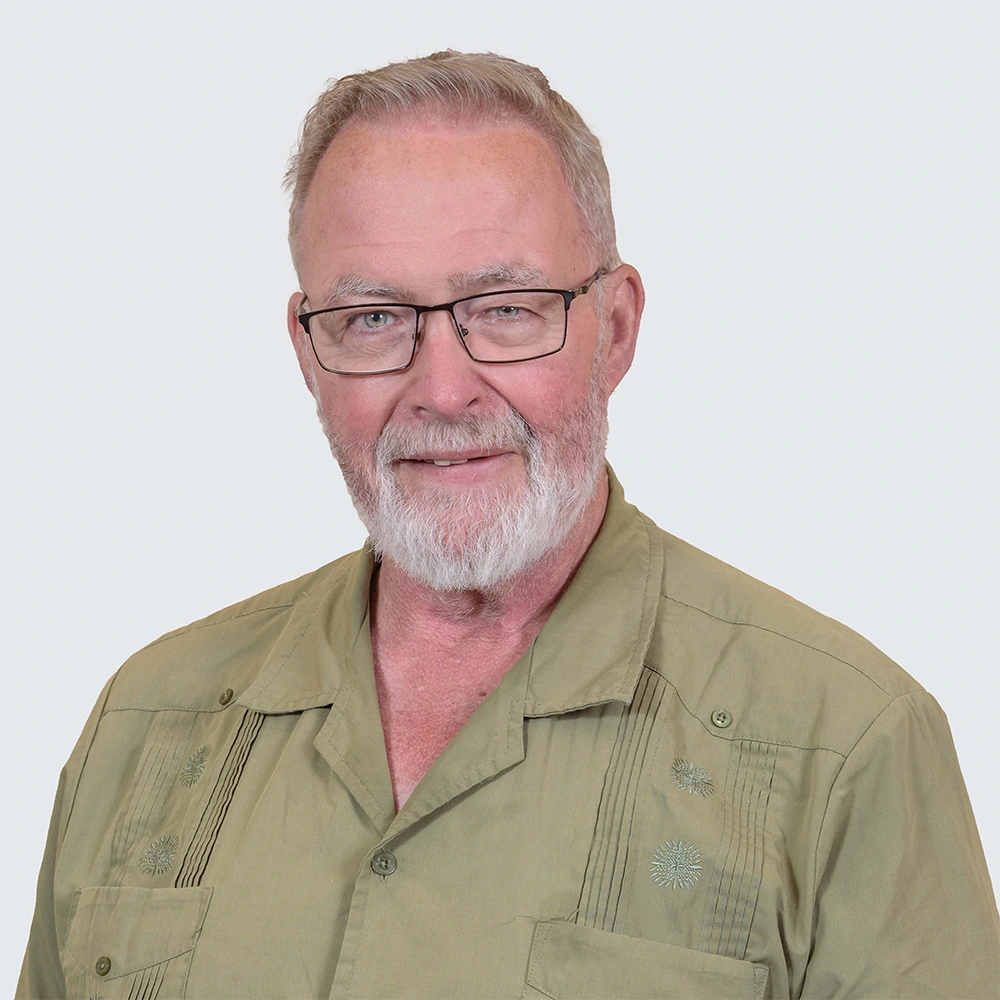
Timothy Swenson
Rev. Timothy J. Swenson is a confessional Lutheran pastor, theologian, and educator known for his unwavering commitment to the theology of the cross. A lifelong resident of the High Plains and third-generation immigrant, Swenson’s faith and preaching have been shaped by the realities of rural farm life—drought, blizzard, and the utter dependence on God’s providence in wresting a living from the land.
He earned his Master of Divinity from Luther Seminary in 1990 and was ordained into Lutheran ministry. He served for 22 years as a parish pastor in rural western North Dakota and is now rostered in the Augsburg Lutheran Churches and the North American Lutheran Church.
Since 2010, Swenson has served as Dean of Chapel at the Institute of Lutheran Theology (ILT) in Brookings, South Dakota, while also teaching as an Assistant Professor of Pastoral Theology. In these roles, he leads weekly worship, preaches regularly, and provides spiritual formation for future pastors.
He is the founder of St. Martin’s School of Theological Discernment (St. Martie's Place: St. Martin's School of Theological Discernment), and maintains the YouTube channel @preachermantim, where he proclaims “Jesus Christ, him crucified, and him alone handed over to be the life of dead sinners.” His preaching is marked by clear Law-and-Gospel distinction, honest confrontation of sin, and bold comfort in the free forgiveness won by Christ.

Tracee J. Swank
Dr. Tracee J. Swank serves as the leader of Church Doctor Ministries/Church4Today. As a certified church consultant and Christian leadership coach, Tracee serves as a strategic guide to pastors, ministry leaders, and Christian entrepreneurs. Tracee is committed to helping others carry out their vision and mission in the Kingdom using the gifts, skills, and resources God has provided.Tracee enjoys helping others discover and implement creative new ideas for Kingdom projects, speaking at conferences and gatherings, and leading ministry immersion trips with Christian leaders.
Tracee is a graduate of Winebrenner Theological Seminary and holds a master’s degree in theological studies and a Doctor of Ministry degree in Kingdom entrepreneurship. She currently serves on the adjunct faculty at Winebrenner. While not traveling and serving the ministry, Tracee enjoys gardening, cooking, watching Toledo Mud Hens baseball, and all things related to the Ohio State University. (Go Bucks!) She lives in northwest Ohio with her husband, Matt, and their black lab, Beckett.
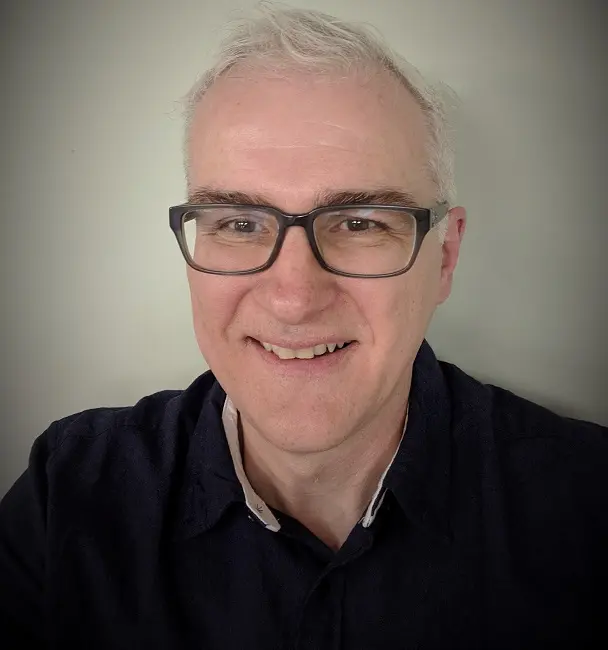
Tom Schaeffer
Rev. Tom Schaeffer has over 30 years of experience in ministry. During that time, he has led churches through transitions ranging from the mission start of a new congregation to the mission redevelopment of a failing congregation to the launch of a satellite worship at a large congregation. He has served in rural, urban, and suburban contexts. In addition, Tom started an award-winning brewery that, during his leadership, supported his ministry and worked under the motto of “Brew good. Do good.”
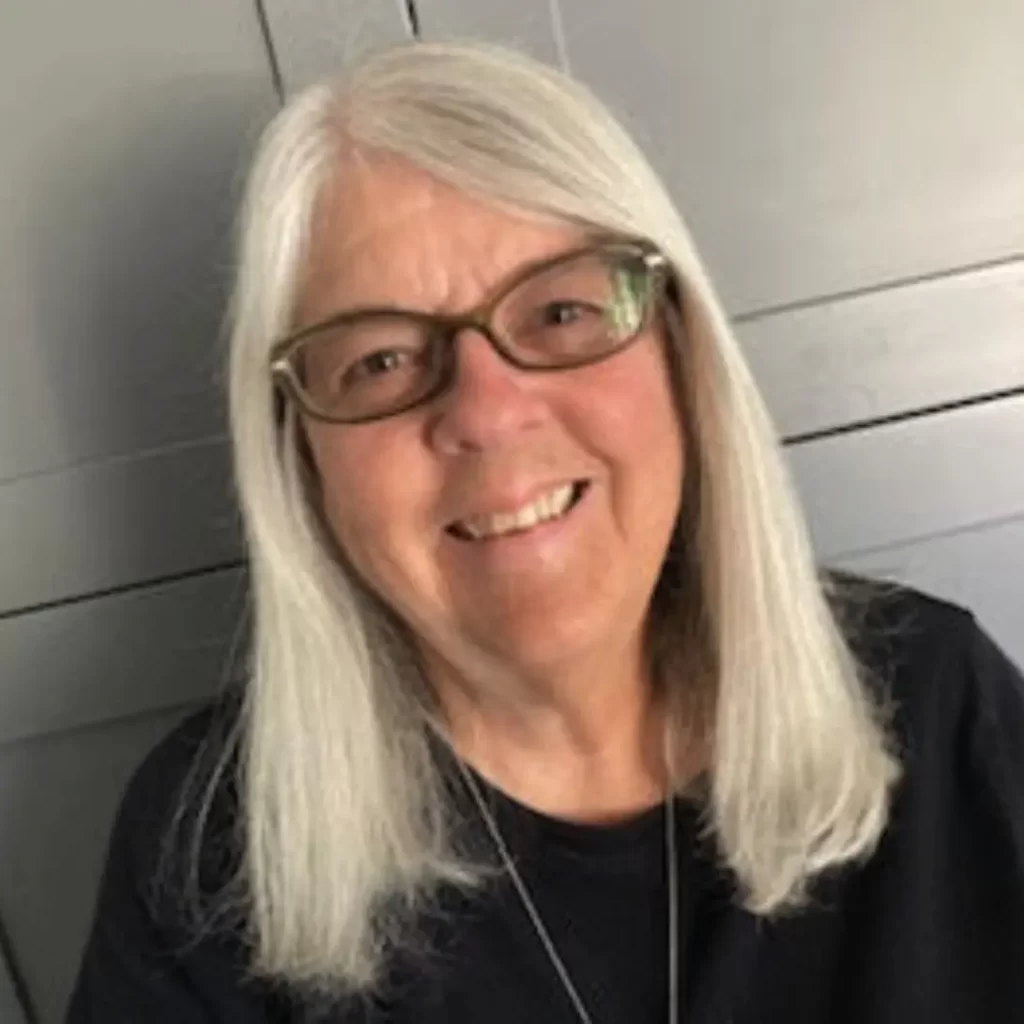
Susan Hayward
Susan Hayward has lived a rich and varied life, yet her roots remain firmly planted in her Illinois farm upbringing. She holds a Bachelor of Science from the University of Illinois and a Master of Science from the University of California, Davis, and spent nearly 20 years teaching science. Her background includes running an organic vegetable farm in California, earning professional coach training through Falling Awake Life Coaching, and achieving her PCC credential with the International Coach Federation. For two decades, she has provided pro bono coaching for One to One – Women Coaching Women and has served marginalized communities through work in Colombia, New York City, and California. Susan is active at Templeton Presbyterian Church in Templeton, CA, and
enjoys gardening, sewing, puzzling, reading, and time with her eight grandchildren.
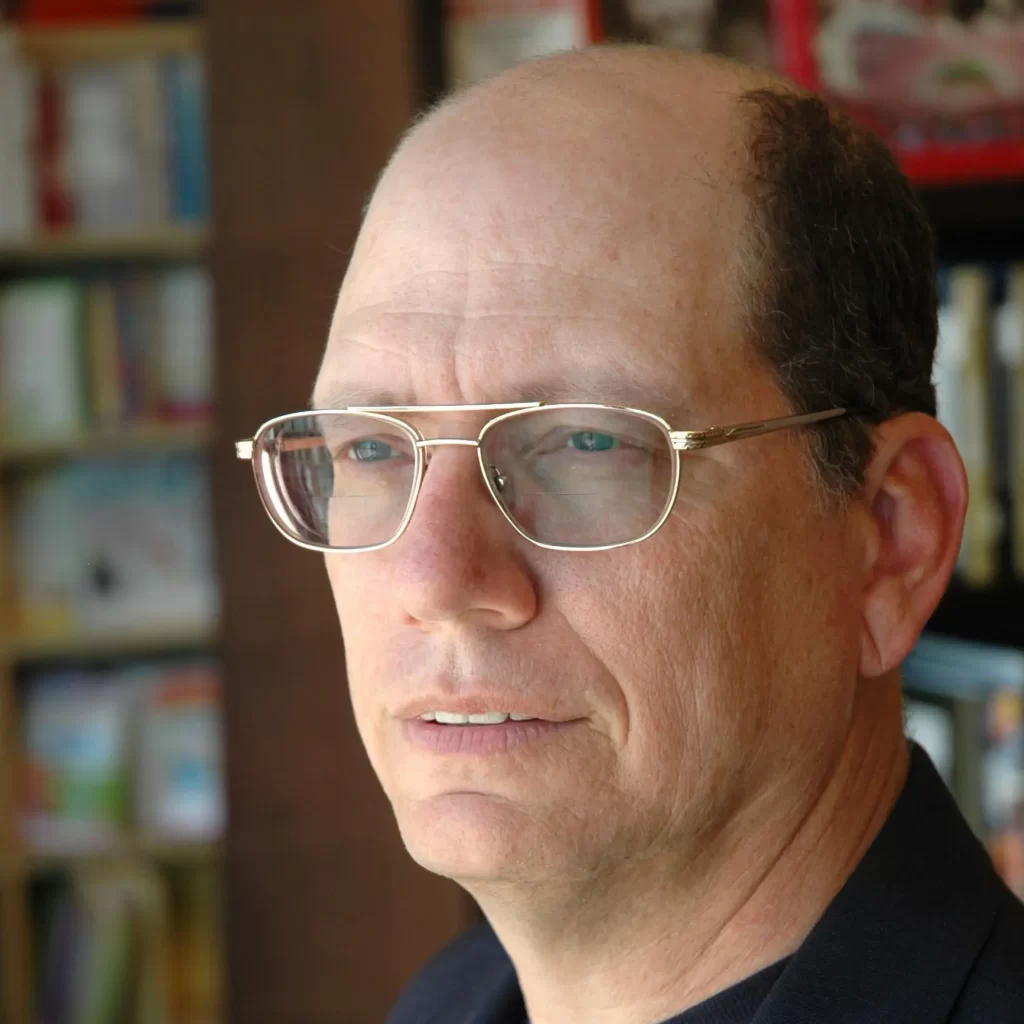
Rupert Loyd Jr.
Dr. Rupert Loyd Jr., a United States Navy veteran, has a Bachelor of Arts in history from Miami University in Oxford, Ohio, an MDiv from Gordon-Conwell Theological Seminary in Boston, Massachusetts, and a PhD in leadership from Union University in Cincinnati, Ohio. He has over 40 years of pastoral experience in both urban and suburban churches, including multiethnic, multicongregational churches. Throughout his career he has maintained a presence in both the church and the academy. He pastored churches in Luna Pier and Taylor, both in Michigan; Miami, Florida; and Point Place and Toledo, both in Ohio. He taught at Miami Christian College and Trinity College, both in Miami, Florida; Union University in Cincinnati, Ohio; Indiana Wesleyan University in Marion, Indiana; University of Toledo in Toledo, Ohio; and Lourdes University in Sylvania, Ohio.
Rick Bergh
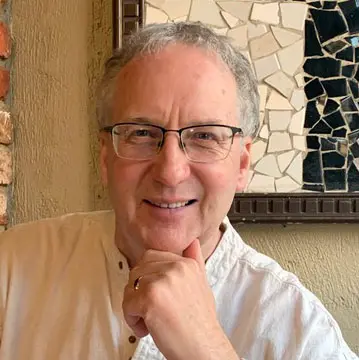
Rick Bergh is the pastor of St. Peter’s Lutheran Church in Cochrane, Alberta, Canada. Ordained over 40 years, he has served primarily bi-vocationally, bringing real-world insight to ministry. Vocationally, Rick has learned to straddle his role as pastor and his work in the secular world while engaging people with the gospel. He was the innovator of the Pastoral Ministry Certificate Program and Shepherd Pathway programs at the Institute of Lutheran Theology.
Trained in narrative therapy, he helps people reframe their stories alongside God’s and shares his message through nine books, speaking engagements, and his podcast series using a non-coercive approach. He supports his wife Erica, a professional choral conductor, running four choirs for people with dementia and their caregivers, and they enjoy their six grandchildren.
Richard Blue Jr.
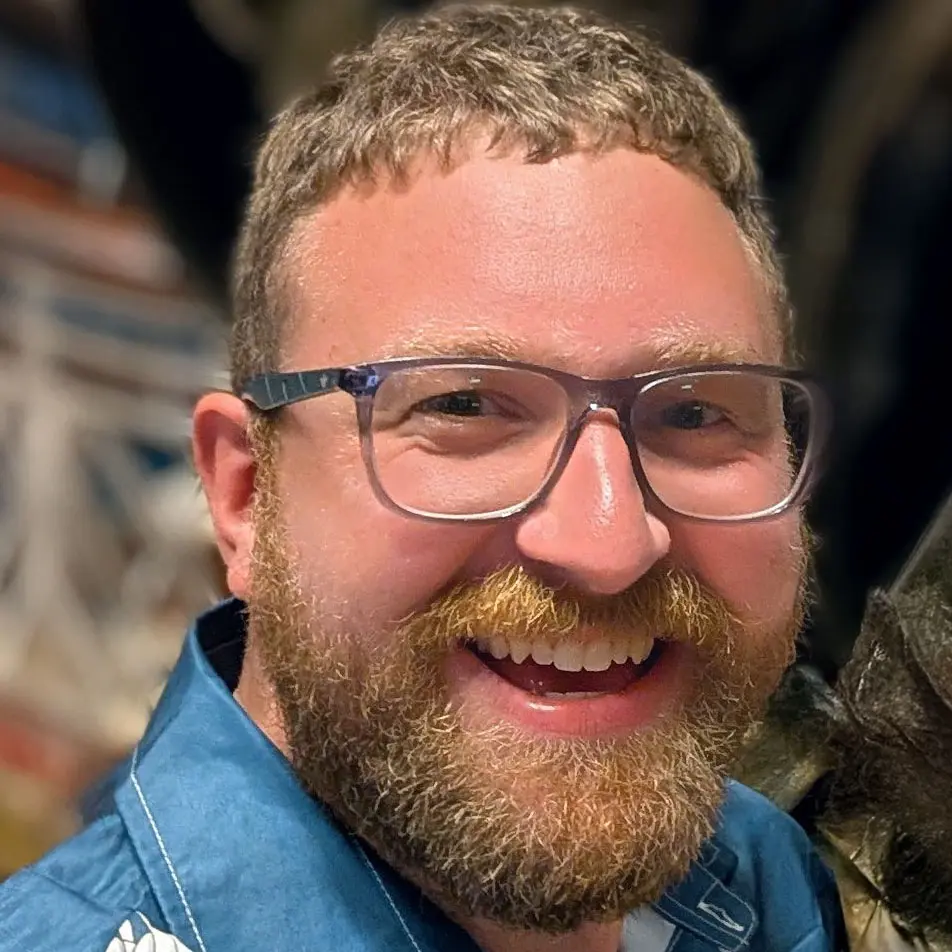
Rev. Dr. Richard Blue Jr. has devoted his ministry to the renewal and replanting of declining congregations, guiding churches through transformation, confl ict, and system-wide change toward renewed health and mission. With a Doctor of Ministry in Postmodern Apologetics and credentials as a Board-Certifi ed Chaplain, he brings both theological depth and practical experience to helping pastors and congregations rediscover their purpose in the Gospel. Having successfully led a church replant and revitalized multiple congregations facing decline, Dr. Blue understands the complexities of church systems, leadership dynamics, and the spiritual care needed during times of conflict and change. He currently serves as Senior Pastor of St. James Lutheran Church in Greenfield, Indiana, where he has helped lead the congregation into its first season of growth in decades. Richard and his wife, Rev. Amanda Blue, serve together as a clergy couple and are raising their two children, Ricky Lee and Anna Marie, with a shared passion for seeing churches and families renewed by the power of the Gospel.

Leon Miles
Dr. Leon Miles is Vice President of Advancement at ILT and the Dean of Christ College. He received his Doctor of Education - EdD in Educational Leadership and Administration from the University of South Dakota in 2023.
Katie Erickson
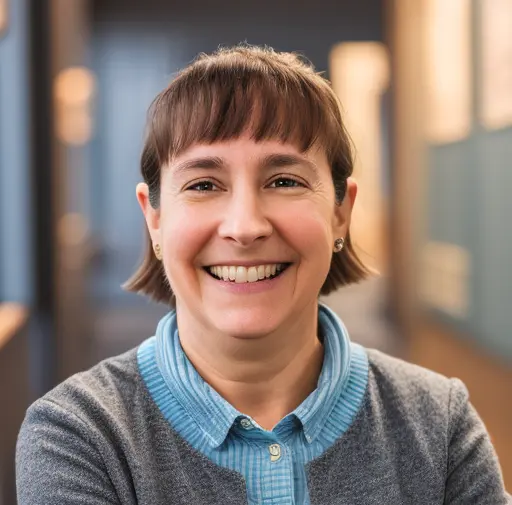
Dr. Katie Erickson joined Church Doctor Ministries at the beginning of 2021 as the Special Projects Team Leader, and she serves as the Momentum Network Administrator. She previously worked for
almost 17 years as an electrical engineer. Katie earned her Masters of Divinity degree in 2010 and her Doctor of Ministry degree in 2023 from Winebrenner Theological Seminary, with a research focus of Biblical Hebrew teaching methods. She is an adjunct professor at Winebrenner Theological seminary, teaching courses on research and dissertation writing. Katie also serves a few other ministries through writing weekly blog posts, speaking engagements, video editing, podcast publishing, and book publishing. She has a passion for teaching and tutoring, especially the Biblical Hebrew language. She enjoys helping authors publish their books with her editing and graphic design skills, managing her rental properties, and crocheting and knitting in her free time. She lives in northwest Ohio.

Jack Wolfe
Jack Wolfe is a seasoned ministry leader, coach, and consultant with over four decades of experience helping individuals and organizations lead from a healthy soul. A passionate follower of Jesus, Jack brings a rare blend of pastoral wisdom, entrepreneurial thinking, and practical leadership insight shaped by 45 years of ministry, a marriage of 50+ years, and a rich life story. Known as “The Master of Metaphors,” he is the host of the Beyond the Shire podcast, encouraging everyday leaders to embrace courageous, missional living. Jack is the founder and senior leader of Epic Faith and serves with 5Q Central, helping churches and teams apply the fivefold gifts of Ephesians 4. A certified StrengthsFinder, APEST, and MPACT coach, Jack equips leaders to live, love, and lead with clarity, passion, and joyful strength.
Gia Tatone
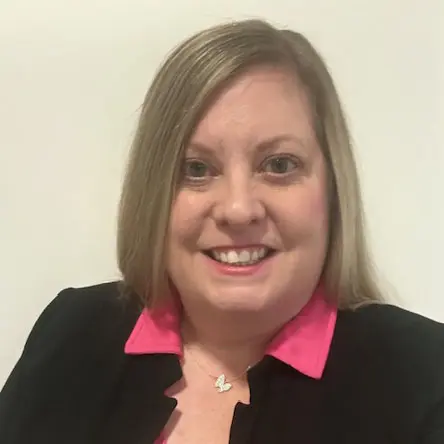
Dr. Gia Tatone is an experienced leader, educator, and award winning author who currently lectures for Robert Morris University, Penn State University, and Winebrenner Theological Seminary where she teaches organizational leadership, communication, and conflict resolution courses. Dr. Tatone has also developed leadership training for executive educational programs and has previously served on the Board of Trustees for the Carnegie Library of Pittsburgh as Chair of the External Relations Committee and within local government. She has been featured as one of the top 50 influential women in the US in the book Role Call: Women’s Voices, and has recently co-led an international research team of 12 individuals to investigate God’s calling in the workplace through the prism of scripture. Dr. Tatone presents her scholarship both nationally and internationally, and lives in Western Pennsylvania with her husband.